
ABOUT BELBIN®
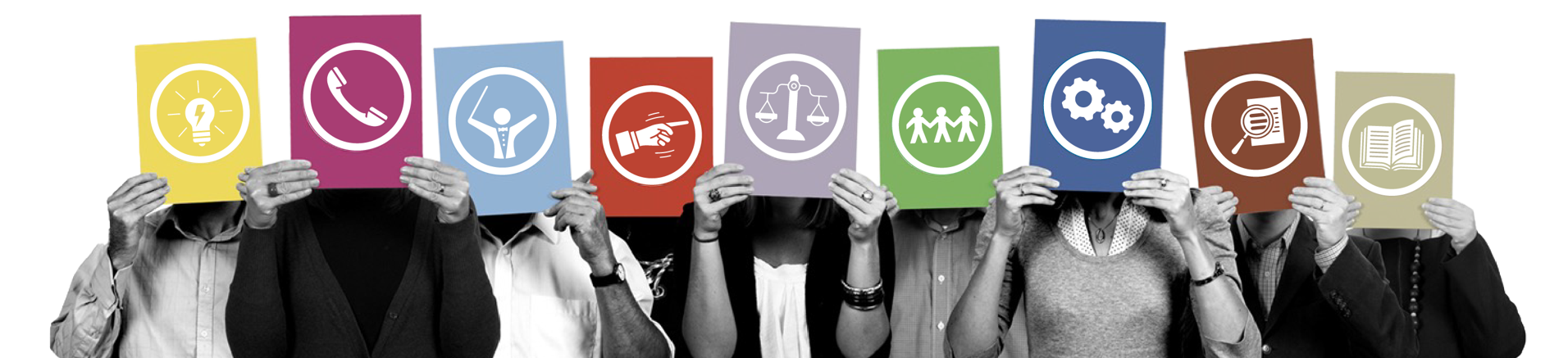
Belbin Team Roles
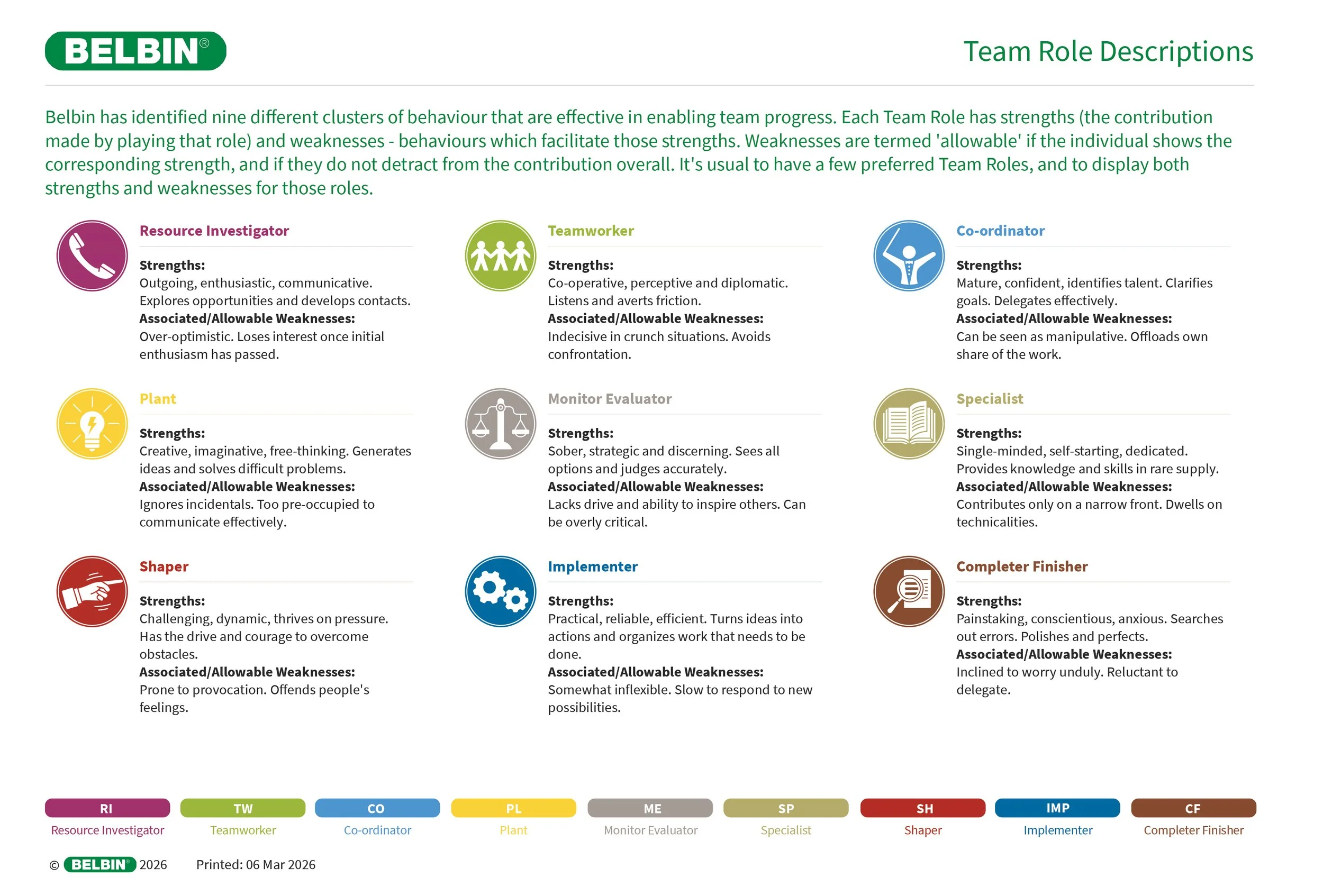
Belbin Team Roles is a globally renowned framework for understanding how individuals contribute to team performance based on their behavioral strengths. Developed through extensive research, it identifies nine distinct roles that people naturally adopt when working in teams. By recognizing and balancing these roles, organizations can build more effective, collaborative teams, improve communication, and enhance overall productivity.
What Is the Belbin® Team Roles Methodology?
Belbin Team Roles was developed through extensive studies and identifies nine distinct “Team Roles” — patterns of behavior that influence how people collaborate, make decisions, solve problems, and deliver results.
Unlike personality assessments, Belbin does not categorize who people are. Instead, it focuses on observable workplace behavior, and the functional contributions individuals make in a team context. Each person typically demonstrates a combination of preferred, manageable, and least-preferred roles, and high-performing teams deliberately balance these contributions.
The methodology uses a multi-perspective assessment process — combining self-perception with structured feedback from colleagues — to produce a practical profile of an individual’s team-related strengths, allowable weaknesses, and potential blind spots.
Belbin provides a clear, non-judgmental language for discussing difference, diagnosing team dynamics, and designing interventions that improve collaboration and performance.
In short: Belbin explains not personalities, but performance in teams.

How Belbin Compares to Other Popular Frameworks
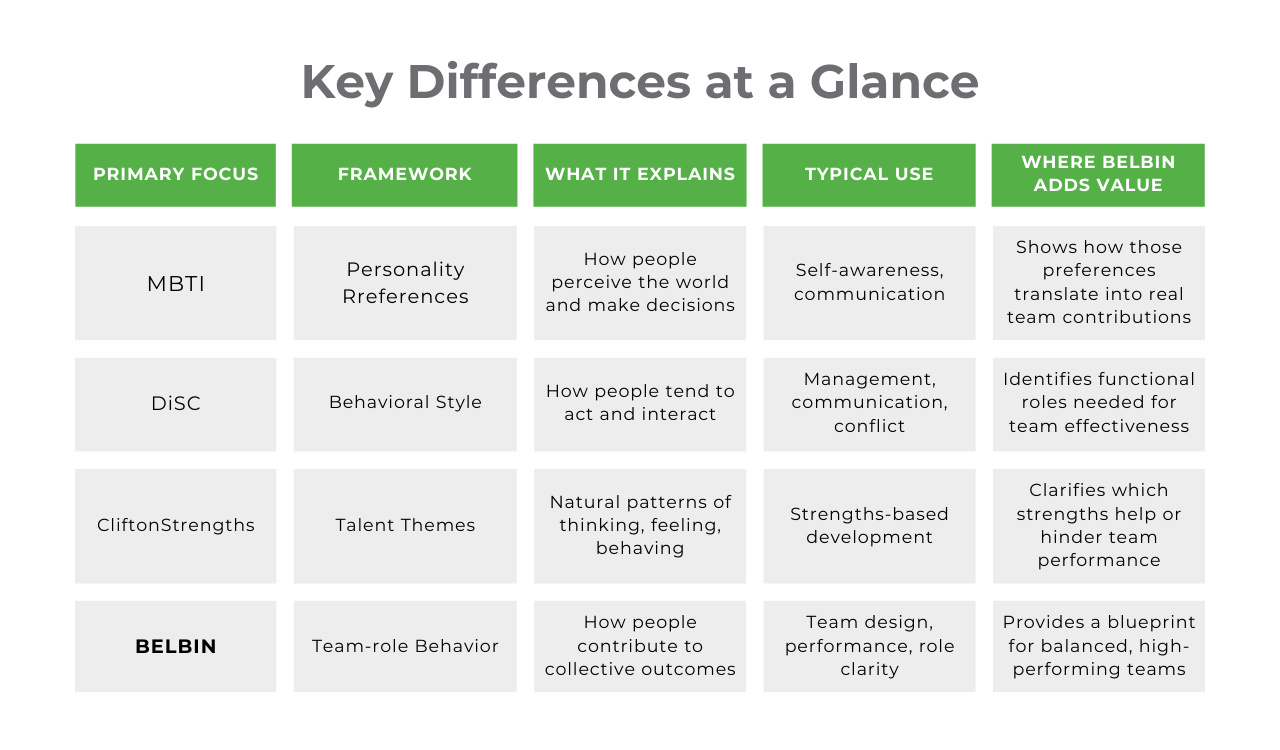
Many professionals often already use tools such as MBTI (Myers-Briggs Type Indicator), DiSC, or CliftonStrengths (formerly StrengthsFinder). Each offers valuable insight — but they answer different questions. Belbin is not a replacement for these models. It fills a critical gap: how people actually contribute within a team to get work done.
What Makes Belbin Distinct
Team-centric rather than individual-centric — starts with performance, not personality
Behavior-based — grounded in observable workplace actions
Multi-source feedback — incorporates colleagues’ perspectives, not just self-report
Role balance lens — identifies gaps, overlaps, and risks in team composition
Directly actionable — informs staffing, leadership, project design, and succession
In essence, other tools help people understand themselves; Belbin helps teams understand how to work effectively together.
Complementary, Not Competitive
Many of the most effective practitioners use Belbin alongside existing assessments to create a more complete development picture.
Think of the tools as answering different layers of the same question:
MBTI: How do I prefer to think and process information?
DiSC: How do I typically behave and communicate?
CliftonStrengths: What talents energize me?
Belbin: What do I reliably contribute to a team — and what might be missing?
Used together, they move development from insight to execution.
Why This Matters for Your Practice
Clients rarely struggle because individuals lack insight — they struggle because teams lack alignment, balance, and clarity of contribution.
Belbin enables you to:
Diagnose team dysfunction at a structural level
Move conversations from personality to performance
Provide concrete guidance on team composition
Support leaders in deploying people where they add the most value
Deliver measurable improvements in collaboration and outcomes
Rather than competing with tools you already use, Belbin makes them more actionable.
It is the bridge between understanding people and building teams that perform.